

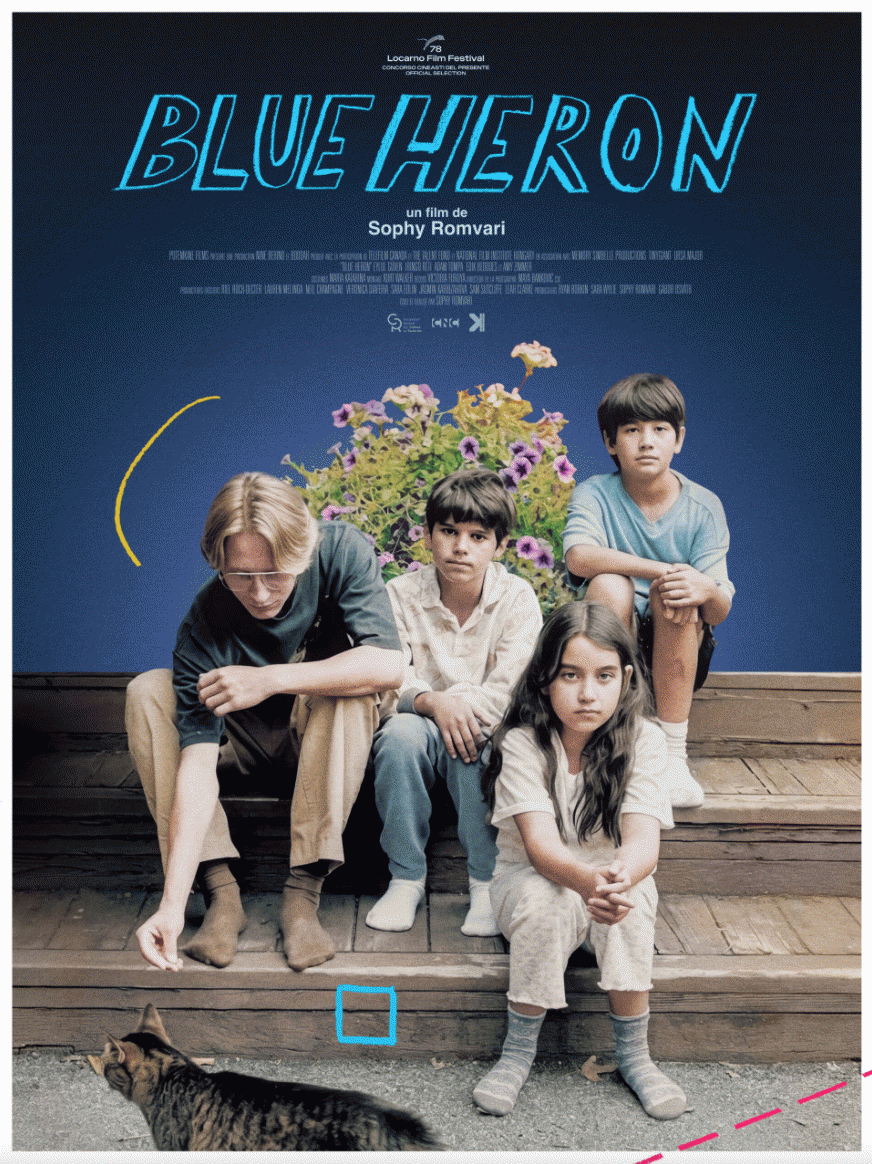
BLUE HERON. Directed by Sophy Romvari. Starring: Eylul Guven, Amy Zimmer, Adam Tompa, and Iringo Reti. Rated M (mental health themes, self harm, and coarse language). 91 min.
Review by Peter W Sheehan, Jesuit Media Australia
This multi-award winning film on the international circuit is a drama film written and directed by Sophy Romvari in her film debut, and is a Canadian-Hungarian co-production based on the director’s own childhood. It tells the story of a Hungarian-immigrant family that relocated to Vancouver Island, Canada in the late 199Os and is semi-autobiographical. Its is brilliantly paced, and the film is deeply personal and emotional.
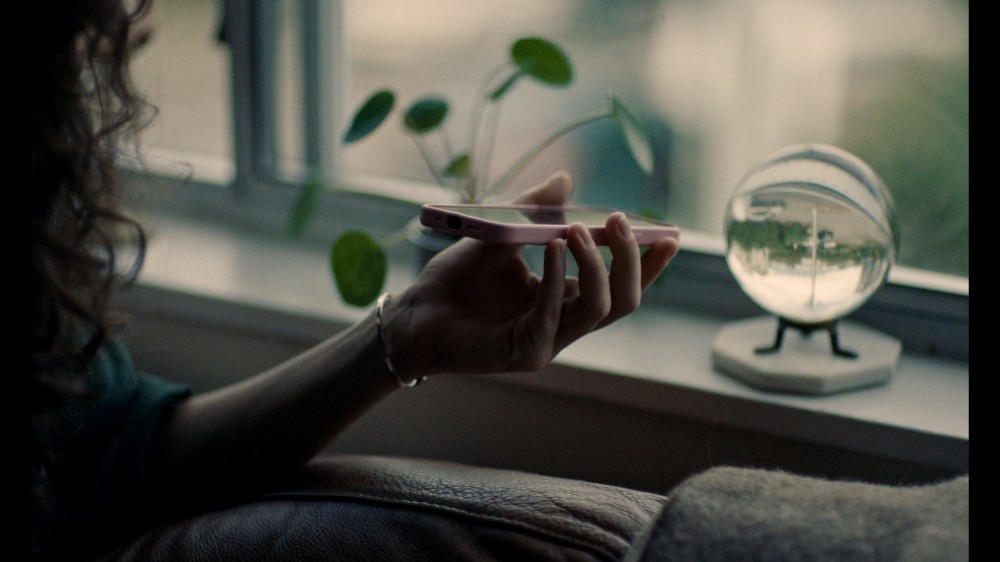
The core of the film revolves around Sasha, the youngest daughter of the family – played by Eylul Guven as a child, and by Amy Zimmer as an adult. Relationship problems focus on the eldest family child, Jeremy, who is deeply troubled and conflicted. Jeremy routinely engages in disruptive and risky behaviour and is prone to frequent rage attacks. The family struggles to understand him, and as a last resort they place Jeremy with another family.
The film itself is a remarkable, personal journey of attempted reconciliation. Sasha is deeply disappointed that no solutions address the family’s problems and she feels guilty that they do not. The movie is an exceptional memory piece about a family in complete turmoil. The film is bitter-sweet in tone and is a deeply personal movie about grief that has no easy resolution. The family’s turmoil affects all of its members. This is a movie that is a heartbreaking exploration of grief that is extraordinarily intimate. Adults in it continue to fail to understand their actions, and the film offers a very revealing analysis of childhood trauma, family responsiveness, and parental responsibility.
The movie builds its tone on multiple emotional levels that ricochet against each other, and it quickly becomes a very intriguing movie about the traumas associated with the Director’s personal childhood experiences. Significant traumas are communicated in frustrated gestures that constantly search for a better life ahead, but the film shows no solution to the traumas, which can’t ever be dismissed or forgotten. The “Blue Heron” bird of the film’s title appears just at the start, and signals a bird that is well known for its “independence”.
This is a film that engages with trauma without ever dismissing it, and it is a moving drama about trauma that can’t be forgotten for what is left behind. It tells us powerfully that the residue of forgotten memories can be permanent, and they can linger in memory very disturbingly.
This is a very sophisticated psychological film about a deeply disturbed child and family and responsiveness to him. The family can’t control Jeremy’s irrational and detached behaviour, and don’t know what to do. The film, however, has a surprise ending that is amazingly insightful about the problem. It provides no solution to the crisis, nor hope to the family, but documents the fact that the family is left with powerful memories of what occurred.
Reviewed by Peter Sheehan, an Associate of Jesuit Media.