


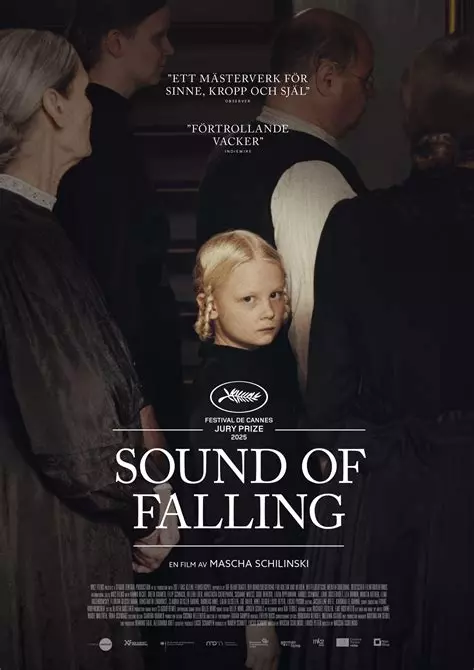
This is a German film with English subtitles that tracks the tragic history of a family of young German women through time, and across different generations. Each is a victim of violence and personal abuse.
SOUND OF FALLING (Indie Sonne Schauen). Starring: Hana Hecki, Lena Urzendowsky, Susanne Wuest, Luise Heyer, Lean Geiseler, and Lea Drinda. Directed by Mascha Shilinski. Rated MA15+. Restricted. (Strong nudity, scenes of suicide, and depictions of sexual violence). 149 min.
Review by Peter W Sheehan, Jesuit Media Australia
The film won the Jury Prize at the 2025 Cannes Film Festival, and took out awards for Best Direction and Best sound at the Chicago Film Festival in the same year.
This is a visually stunning, and very unsettling movie set in a remote farmstead in Northern Germany at the time of war. It takes four generations of women, who each have lived in the same farmstead at some time, and it tracks what happens to them through time. All four are united by trauma, and the events that affect them take place over a century of German history.
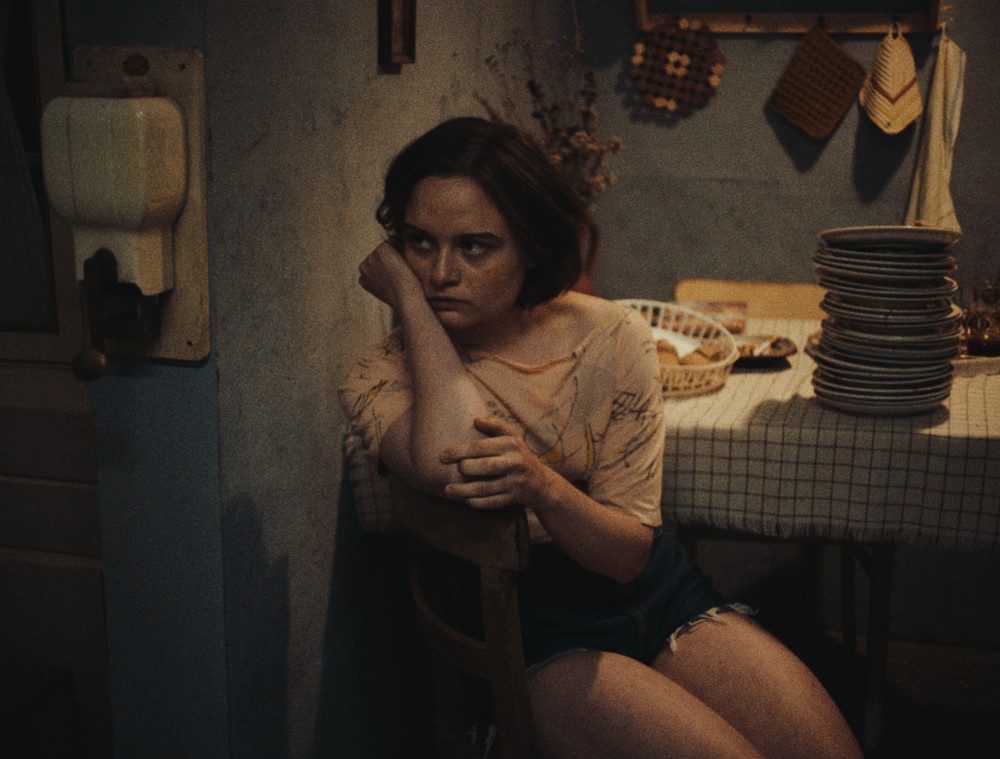
Events in the film are not handled chronologically. The film shifts between different time periods, and dramatic scenes are directed impressionistically by Director, Mascha Shilinski. This is an emotionally haunting film about generational trauma, death, and the search for meaning in life. It is uncompromisingly grim, and intentionally so. There are multiple suicides, religiously inspired immolation and body disfigurement. On the positive side, the film is exquisitely crafted, well acted, and it visually stuns by the sweep and depth of its coverage. The women all live within a century of German history; and the remote homestead that has housed them sometime in their lives assumes an identity that re-unites them in a surreal way. In no way is this a film for family viewing with its preoccupation with death, violence, and suicide. What unites all of the women is not where they have lived, but the trauma they have experienced and which has affected them. The film ranges in poetic fashion across time, and child and adult persons are involved.
The women are all from the Altnak region of Germany, an old German landscape. What happens to them through time reminds one of the intensity of German Director, Michael Haneke, who brilliantly crafts his version of human tragedy out of detailed scenarios, by exposing persons tragically caught, often unknowingly, in the clutches of fate. Haneke’s direction asks that the viewer stand apart to dispassionately observe and experience human tragedy as it takes place. The same strategy is adopted in this film. Outstanding direction by Mascha Shilinski contributes importantly to making the experience of this film cinematically unique.
Peter Sheehan, an Associate of Jesuit Media