
Pope Leo XIV sends a message on digital communication and human dignity; Cardinal Antoine Kambanda recalls how the media acted as a participant in the 1994 genocide and calls for greater solidarity with Catholic media.
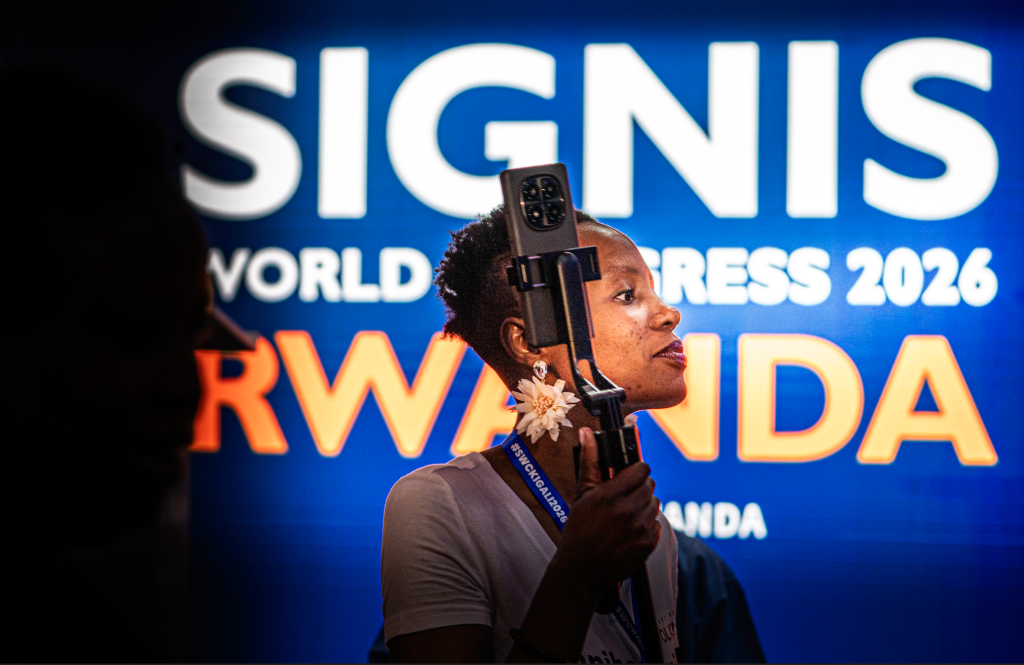
KIGALI, Rwanda, August 4, 2026. The SIGNIS World Congress, organized by the World Catholic Association for Communication, opened its inaugural day today in Kigali with a Mass presided over by Cardinal Antoine Kambanda, Archbishop of the Rwandan capital, at St. Michael’s Cathedral. This marks the first time in the organization’s history that the congress has been held on African soil, a milestone its organizers describe as historic for Catholic communication worldwide.
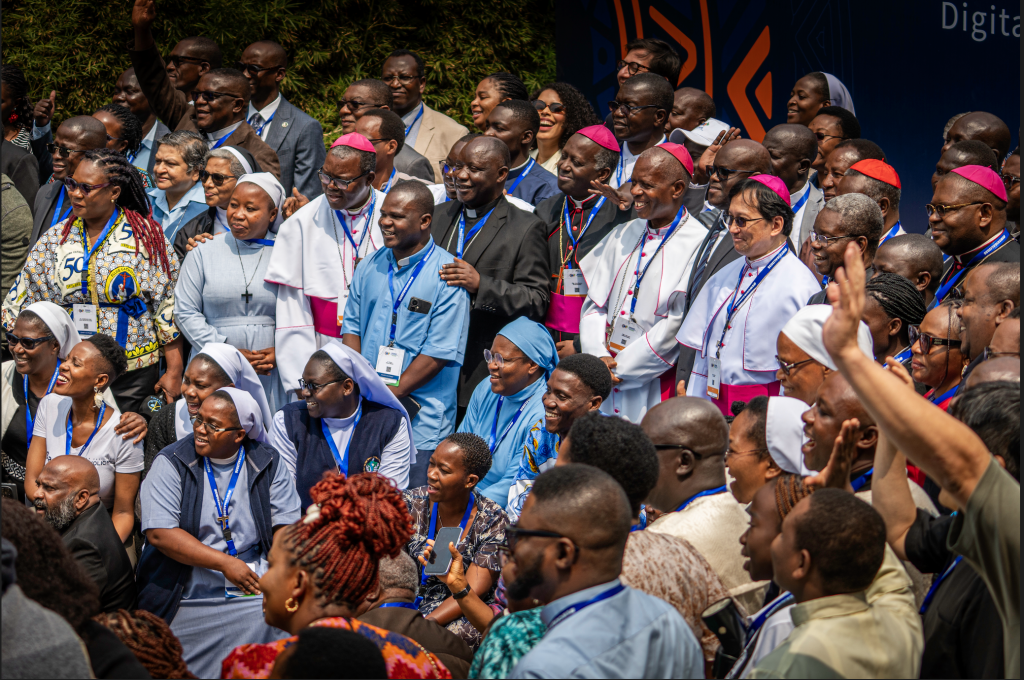
The gathering, which will run through August 8 at the Sainte Famille Hotel in Kigali, brings together nearly 300 delegates from around the world — a figure Cardinal Kambanda himself, in his welcome address, placed at communicators arriving from “more than 40 countries across five continents,” including journalists, filmmakers, broadcasters, educators, and Catholic digital communicators. The congress is being held under the theme “Digital Communication for Communion, Equity, and Environmental Wellbeing” (also circulated as “Digital Communication for Cultural Harmony and Environmental Wellbeing”), a theme organizers link directly to Pope Leo XIV’s recent encyclical, Magnifica Humanitas, on safeguarding the human person in the age of artificial intelligence.
During the opening ceremony, Archbishop Arnaldo S. Catalan, Apostolic Nuncio to Rwanda, read a message from Pope Leo XIV dated July 30 and signed by Cardinal Secretary of State Pietro Parolin, in which the pontiff conveyed to delegates “his hope that the deliberations of this congress will give fresh impetus so that communication platforms may promote the common good of the human family,” the papal message states.
The Pope warned that digital communication does more than simply transmit information — it shapes how people understand the world: “Online communication is not merely the transmission of information but the creation of a culture, since it has the power to shape how people perceive the world and, in doing so, profoundly influences collective consciousness.”
Leo XIV expressed his hope that the congress’s reflections “will seek communication strategies and tools inspired by the pursuit of truth and respect for human dignity,” so that the delegates’ work “may lead to a culture that reflects the Gospel values of communion, peace, and care for the environment.”
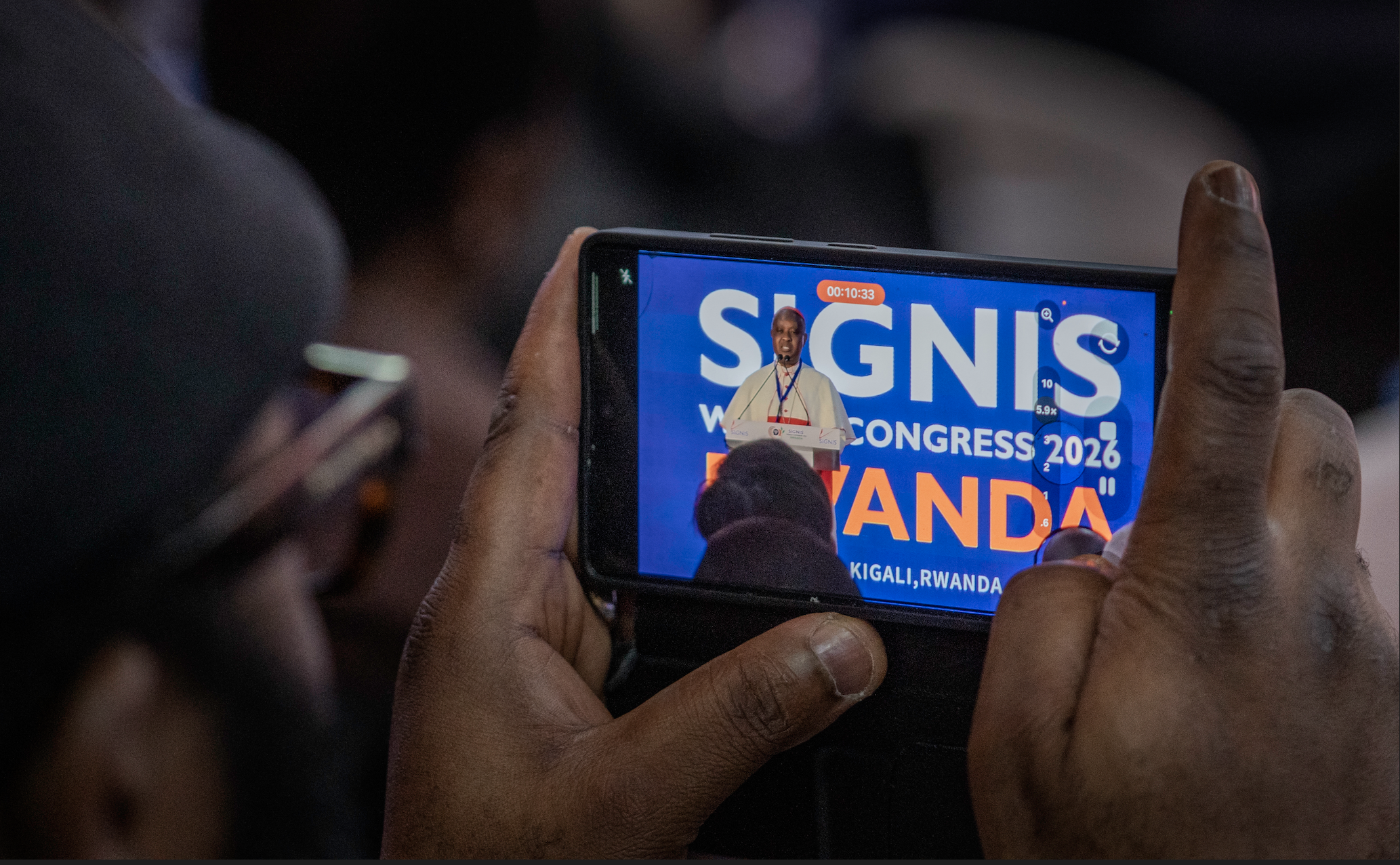
In his welcome address, Cardinal Antoine Kambanda, who also serves as president of the Rwandan Bishops’ Conference, reminded delegates of the role the media played in the tragedy his country endured: “It is tragic that the media were used to intensify division and terror, facilitating the genocide to the point that the media itself acted as a participant,” the cardinal said.
Kambanda framed that past as the starting point for explaining the subsequent transformation of Rwandan media into instruments of reconciliation: “Since then, the media have increasingly become instruments of unity, reconciliation, and peace.”
The Archbishop of Kigali explained that, through Catholic media outlets such as Kinyamateka, Radio Maria Rwanda, and Pacis TV, the Church in Rwanda has developed numerous peacebuilding and reconciliation programs to “heal the wounds of the past and rebuild trust among Rwandans” — a process the country continues today through what he described as the “purification of memory.”
The cardinal asked Catholic communicators to draw lessons from Rwanda’s experience as they confront the advance of artificial intelligence and other digital technologies: “Authentic communication is, ultimately, inspired by the human mind and heart, while technology remains a tool at the service of humanity.”
Kambanda called on the Church and “people of good will” to “make responsible use of artificial intelligence and other digital technologies without compromising human dignity or Christian values,” and warned of a lack of financial and technical resources that, he said, “often prevents Catholic media organizations from acquiring modern equipment and employing well-trained professional journalists.”
He therefore called for “greater solidarity among Catholic media organizations and the Church’s social communication offices” to build Catholic media outlets that are “strong and credible.” He closed his remarks by thanking the SIGNIS Board of Directors, the delegates, and the partners who made the congress possible, and wishing participants “a fruitful, successful, and memorable congress.”
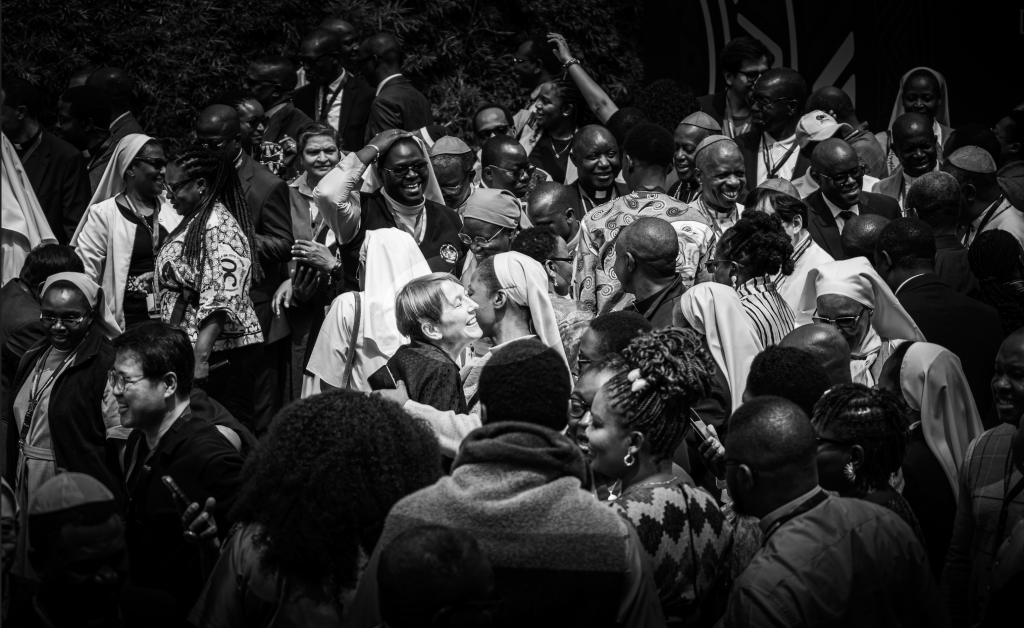
SIGNIS President Helen Osman and Father Walter Chikwendu Ihejirika, President of SIGNIS Africa and chair of the Congress organizing committee, underscored the historic nature of the gathering as the first time this World Congress has been held in Africa.
The congress program includes plenary sessions, panels, and workshops on synodality, digital discipleship, media literacy, child protection in digital environments, gender equality, environmental communication, and the responsible use of artificial intelligence. Delegates are also scheduled to visit the Kigali Genocide Memorial, an invitation to reflect on reconciliation and Rwanda’s journey of faith.
The congress will conclude on August 8 with recommendations aimed at strengthening the media response to the ethical challenges posed by emerging digital technologies.