



This Tunisian film is subtitled from the Arabic language, and communicates the plight of a young girl trapped in a car in the war in Gaza.
THE VOICE OF HIND RAJAB. Starring Saja Kilani, Motaz Malhees, Clara Khoury, and Amer Hiehel. Directed by Kaouther Ben Hania. Rated M (Mature themes and coarse language). 89 min.
Review by Peter W Sheehan, Jesuit Media Australia
The film won the Grand Jury Prize at the 2025 Venice Film Festival and has been nominated for the Award of Best International Film at the 98th. Academy awards will be decided on March 15, 2026.
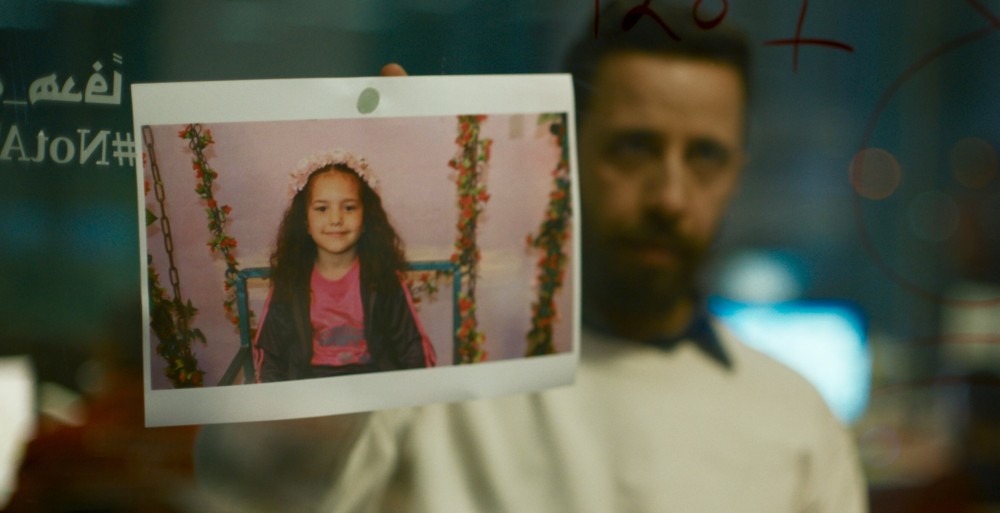
On January 29, 2024, the Red Crescent Volunteer Group – a recognised network of volunteers, operating internationally – received an emergency call in Palestine from a six-year-old girl trapped in a car, pleading to be rescued. The Group responded to her call for help, but the car she was in was under fierce attack by the Israeli Defence Force in the “Gaza Strip”. She was the only living occupant in the car; family members and two paramedics, who were with her, had already been killed. The rescue group could not help Rajab without “Green Light” permission to proceed safely, which was eventually given, but permission to proceed safely with her rescue came too late. Hind Rajab was killed, and the Ambulance, which might have saved her, was destroyed.
The film itself is based on the phone calls made by Hind Rajab which were released by the Palestinian Red Crescent Group which received them. Female, Tunisian Director of the film, Kaouther Ben Hania, has reconstructed the tragedy as it occurred by working with events that have great emotional force. The film is particularly harrowing and demonstrates in a brutal way the violence that can occur at a physical, mental, and psychological level when war rages. Rajab’s plea for help was not actioned as Middle East conflict raged around a traumatised young girl. The film offers a unique account of real events, and illustrates the brutality of war in a compelling and profoundly moving way.The film itself is beautifully photographed, edited, and mounted. It is a unique account of the destructive power of war, and depicts war events that also cogently demonstrate the level of stress that can affect persons tasked with trying to find ways to help.
Such is the tragedy that this film shows, one might ask why its public release is so wide, when it illustrates so well the total absence of hope in the last minutes of a desperate young girl’s life. The film authentically carries the message that the events depicted in this film should never be repeated, for whatever reason. The emotional power of the film is enduring. And the movie is a demanding one that may require carefully-considered parental guidance.
Peter W Sheehan, an Associate of Jesuit Media