



This British-American psychological drama tells the story of a troubled man who is urged to return home, to reunite with his ex-wife and son.
ANEMONE. Starring: Daniel Day-Lewis, Sean Bean, Samantha Morton, and Samuel Bottomley. Film Directed by Ronan Day-Lewis. Rated M (mature themes, coarse language, and references to sexual violent behaviour). 126 min.
Review by Peter W Sheehan, Jesuit Media Australia
First-time Director Ronan Day Lewis is the son of the film’s lead actor, Daniel Day-Lewis, and he wrote the film together with his father. The movie’s title, “Anemone” takes it’s name from a flower, which is referenced in Greek mythology to symbolise fragility, and thwarted, complicated love.
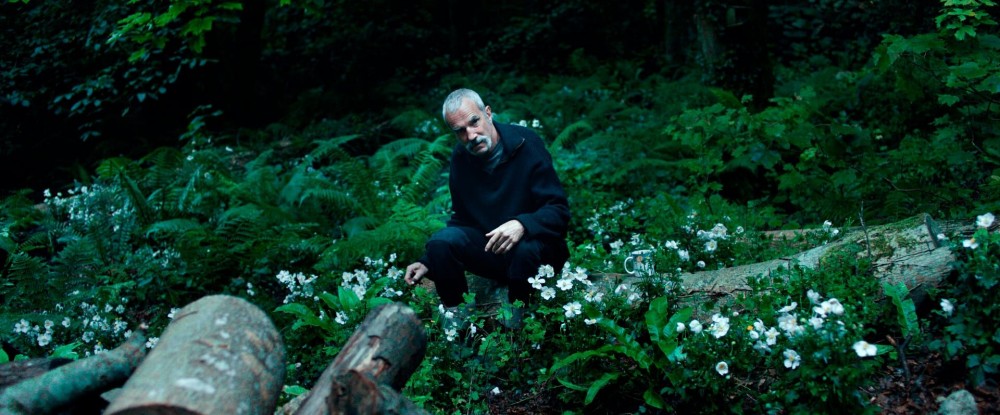
In the film, Jem Stoker (Sean Bean) leaves his wife Nessa (Samantha Morton) and adopted son to go to find his brother, Ray (Daniel Day-Lewis) who lives in a remote forest. Ray is a recluse from the world around him. At home, Nessa talks to her son Brian (Samuel Bottomley) about the behaviour of Ray, his father, during troubled times in war-torn Northern Ireland. Ray left Nessa after he was declared a war criminal, which removed him from service. Nessa wants Ray to talk with his son about what happened. She thinks Ray is a good man, but seriously troubled by his army experiences, and Brian despises his father for deserting his family.
Troubled memories haunt the memories of each member of this family unit, and the family is haunted by its past. With Ray gone, Brian thinks his father is both a killer and a coward. In the film, the performance of Daniel-Day-Lewis film brilliantly features the method-acting style. He returns to the cinema screen, after eight years away from acting, and his tortured account in the movie of why he chose to kill a wounded soldier, who might have lived, is emotionally gripping.
The film pointedly addresses the issue of what distinguishes immoral, unacceptable behaviour from behaviour that can be characterised in other ways. Every shot is calculated to artistically reflect complex human themes addressed by the script, and the subtleties of the film’s plot-line. The movie itself offers an intense exploration of the nature of guilt. Daniel Day-Lewis compelling depicts human isolation, and the film has a number of powerful monologues, that each reflect emotions that characterise the film as a whole. One of the monologues deals with Ray’s precise memory of how and when he was sexually assaulted.This is a movie that is not for easy viewing, but it is outstanding for plot-development, photography, and the tragedies of war that it depicts.
Reviewed by Peter W. Sheehan, an Associate of Jesuit Media