


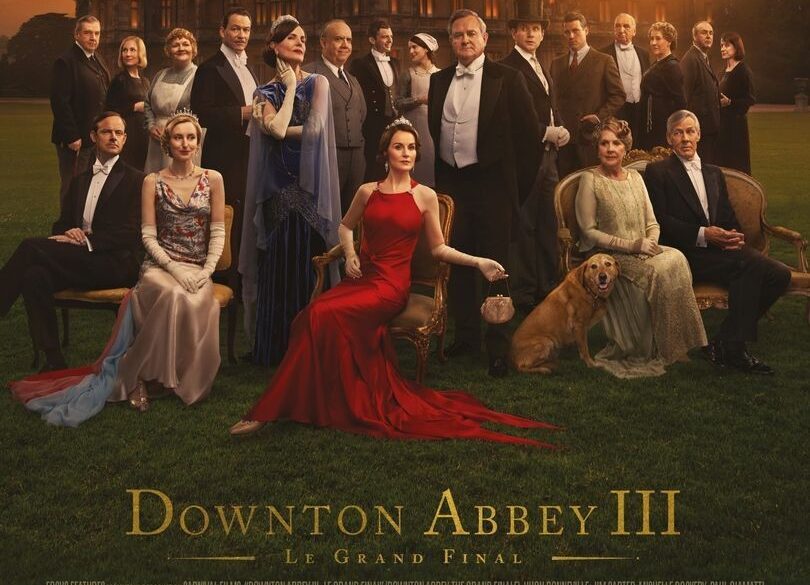
This is the third movie in the “Downton Abbey” franchise. It follows the aristocratic Cawley family as it attempts to navigate the status-conscious Society of the 1930s.
DOWNTON ABBEY: THE GRAND FINALE. Starring: Hugh Bonneville, Jim Carter, Paul Giamatti, Michelle Dockery, Elizabeth McGovern, Penelope Wilton, and others. Directed by Simon Curtis. Rated PG (mild sexual references). 123 min.
Review by Peter W Sheehan, Jesuit Media Australia
This historical British period-drama is the sequel to “Downton Abbey: A New Era” (2022) and is presented as the concluding film in the Downton Abbey franchise. It is based on a screenplay written by Julian Fellowes, and many of the cast that were in the 2022 film appear again. The movie has the same Director (Simon Curtis) as the 2022 film, and the film opens with Members of the Cawley family still the owners of a large Yorkshire estate in the English countryside.
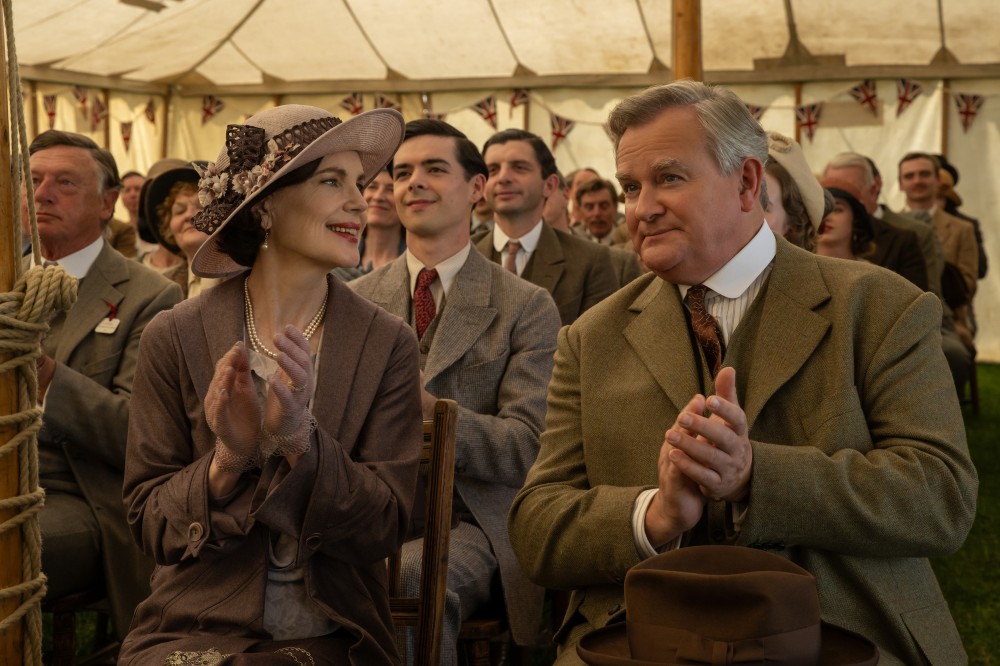
After Downton Abbey received a Royal visit from King George V and his wife, Queen Mary, life at the Abbey changed, and appropriate movement forward becomes a major concern. The film continues to explore the sexual liaisons between the lower, middle and upper classes in British Society, and the behaviour of wealthy aristocrats is highly scrutinised as the movie explores the gender-identity confusions and social rivalries that threaten members of the Crawley family’s pursuit of their own social importance. Like the two preceding franchise films, attention is scrupulously paid to elaborate set design and elegant costuming, and the film concerns itself thematically with British preoccupations of the upper class. This third film has the Crawley family saying a fond farewell with a sense of nostalgia, sentimentally delivered, and is (very probably) the concluding film in the Downton Abbey franchise.
Plot complexity maintains the film’s major tensions. Hugh Bonneville plays Robert Crawley, the 7th. earl of Grantham. Lady Mary Talbot (Michelle Dockery), eldest daughter of Lord and Lady Grantham features as a key figure; and Cora Crawley (Elizabeth McGovern), the Countess of Grantham and others find themselves at the centre of a public scandal caused by Mary’s divorce. The Grantham family is also experiencing financial stress, and social disgrace has threatened all the Crawley household. Everyone has to cope with social change and looming uncertainty. Members of the Crawley family realise they have to adapt, or lose everything cherished by them in the past. The Great Depression and the outbreak of World War II signal major turmoil ahead, and current problems are emerging: Given that the future of Downton Abbey now lies with Lady Mary, the film tentatively floats the question whether Mary’s divorce will affect her ability to cope. The film is really the downs then ups of the passage from rejection to respectability for Lady Mary.
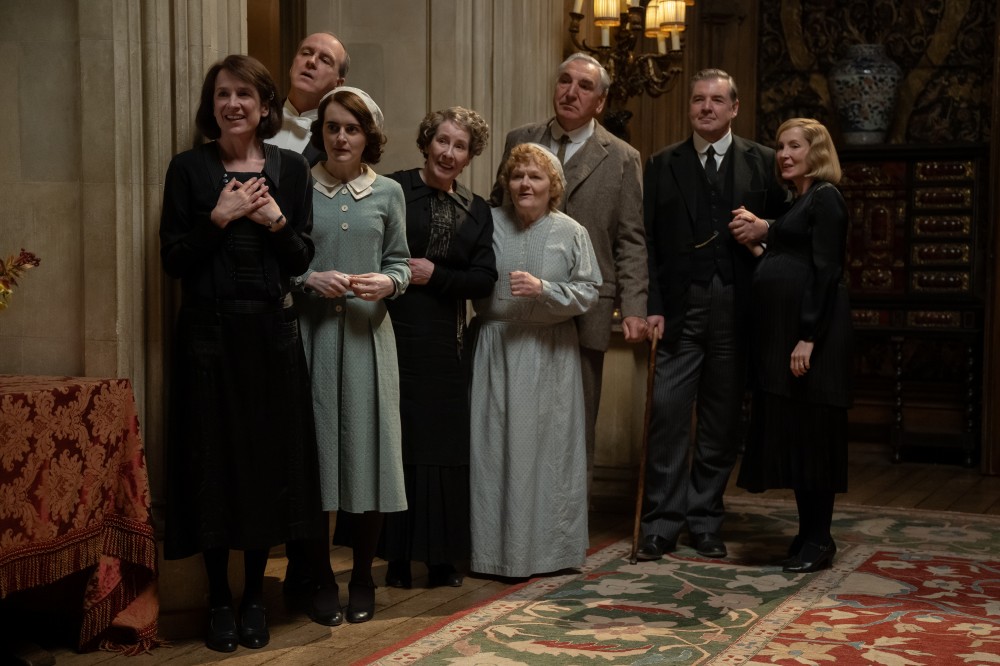
This is an elegant finale directed with an escapist touch that heavily mixes romance with social commentary and aristocratic splendour. A motley array of themes and issues ends the film, but rays of hope are also signalled.The film brings to an end a series that has been presented to viewers for a lengthy period of time. Like the two films before it, this film blends together social change with personal struggle on both sides of the British class system, but it remains to be seen whether “further adventures” await the Cawley family and Lady Mary, in particular.
Peter W Sheehan is an Associate of Jesuit Media